Rodent and Wildlife Removal for Homeowners
Request an estimate, no obligation
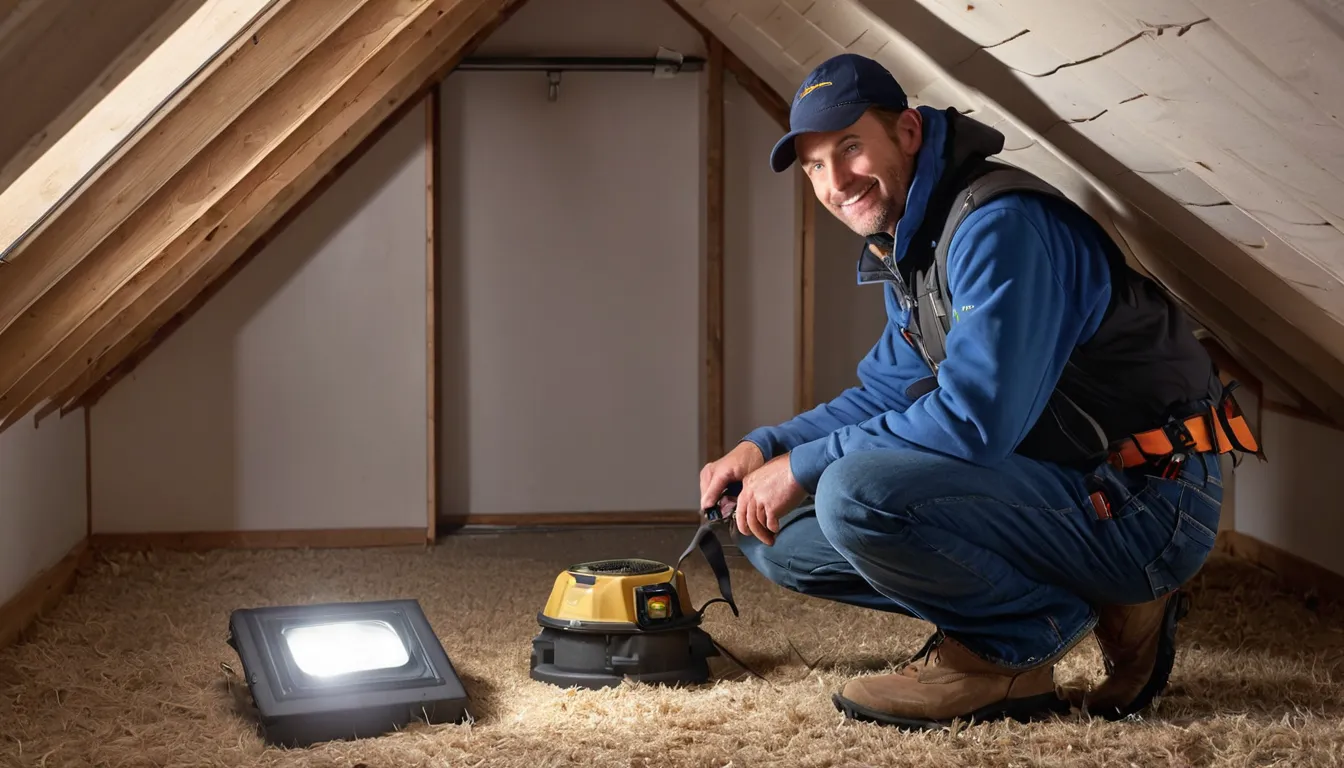
Scratching in the walls is a sign. Something found a way in. Mice, rats, squirrels, bats, and raccoons all want a warm, dry spot. Your attic, crawl space, or basement fits the bill.
Musclekeeping Pest Control is a referral service. We do not send trucks or remove animals. We connect you with independent providers in our network who do the work. You request an estimate, compare what comes back, and decide at your own pace. Estimate first, no obligation. Providers set their own prices, methods, and schedules.
Noises in the Attic or Walls? Start Here
Scratching, thumping, or squeaking means an animal is inside. Deal with it soon. Animals chew, nest, and multiply.
Musclekeeping Pest Control is a referral service. We refer. They treat. Independent providers in our network do the removal. Request an estimate and see your options.
Why Waiting Makes It Worse
Mice breed fast. A few can turn into a crowd in weeks. Rats gnaw on wiring and pipes. Squirrels shred insulation. Raccoons tear up roof edges and vents.
In spring and early summer, a female animal may have babies in your attic. Removing her without a plan can leave the young trapped. A provider knows how to handle that.
Why Animals Move In Here
Cold winters with deep frost push animals toward warm buildings. Hot, humid summers keep them active. Spring flooding drives rodents out of burrows and into basements.
Older frame houses have many small gaps. Bungalows and ranch homes often have low roof lines that are easy to climb. Full basements with sump pumps can offer moisture and quiet corners.
Signs to Watch For
Look and listen. These clues show up often:
- Scratching or running sounds at night
- Droppings near walls, in cupboards, or in the attic
- Gnaw marks on wood, wires, or boxes
- Greasy rub marks along baseboards
- Torn insulation or shredded nesting material
- A musty or sharp odor in one area
- Pet behavior, like staring at a wall
One sign is enough to ask for help.
Common Animals Providers Handle
Mice and Rats
These are the most common. They squeeze through very small holes. They carry germs and chew almost anything.
Squirrels and Chipmunks
Squirrels like attics. They are loud in the morning. They chew wood and wires.
Raccoons and Skunks
Raccoons go for roofs and chimneys. Skunks dig under decks and sheds. Both leave strong messes.
Bats
Bats are often protected by law. Removal usually has timing rules. Do not seal them in.
What to Do Before a Provider Arrives
Stay calm. Do not corner an animal. Keep pets and children away from the area. Do not touch droppings with bare hands.
Write down what you hear and when. Note where you see signs. Take a few photos. This helps providers give a better estimate.
Request a callback to check provider availability. Or use the request form and wait for responses.
How Removal Works
The steps are simple. A provider inspects first. They find the animal type and the entry points. Then they choose a method.
Methods can include one-way doors, live traps, or exclusion work. The goal is to get the animal out and keep it out. Then comes cleanup and repair.
Humane Handling and Local Rules
Many animals are covered by state or local rules. Some cannot be trapped in certain seasons. Some cannot be moved far. Bats and nesting birds often have extra protection.
Ask each provider how they follow local rules. A good answer is clear and specific. Be wary of vague answers.
Cleanup and Repairs
Removal is only half the job. Droppings, urine, and nesting material can stay behind. Wet insulation may need to be replaced.
Ask if cleanup and entry repair are in the estimate. Some providers do both. Others only do removal. Know which one you are getting.
Comparing Estimates
Compare, then decide. Get at least two written estimates if you can. Look at the full scope, not just the price.
Ask these questions:
- What animal do you think it is?
- How will you remove it?
- Do you seal entry points?
- Is cleanup included?
- Is there a follow-up visit?
- What is the warranty, if any?
A lower price may leave out repairs. A higher price may cover more. Read the details.
Choosing a Provider
Ask to see their license or registration, if your state requires one. Ask about insurance. Confirm details on your own. Musclekeeping Pest Control does not vouch for any single provider.
Take your time. Say no if an offer feels rushed. A good provider will answer your questions.
Insurance and Damage
Some policies may cover sudden damage from animals. Many do not cover damage from long-term infestations. Check your policy.
Providers can often help document damage for a claim. Ask about photos and written reports.
Keeping Animals Out
Prevention is cheaper than a repeat visit. Try these steps:
- Seal gaps around pipes, vents, and rooflines
- Cap chimneys and cover attic vents with screens
- Trim tree branches away from the roof
- Store pet food and birdseed in sealed bins
- Keep trash lids tight
- Fix leaks and manage damp basements
Check your home each fall, before the cold arrives.
Ready to Compare Options?
Send one request. Review what comes back. Choose when you are ready.
Prefer to talk first? Request a callback to check provider availability.
What's Included
Inspection and Diagnosis
A provider checks the attic, walls, and basement to find the animal and where it got in.
Removal
Traps, one-way doors, or exclusion methods, based on the animal and season.
Sealing Entry Points
Holes, vents, and roof gaps get closed so animals cannot return.
Cleanup and Repair
Some providers handle droppings, insulation, and damage repair. Ask what is in your estimate.
What Removal Typically Costs in the U.S.
Prices vary by animal, home size, and how hard the access is. These are typical U.S. ranges, not quotes. Always get a written estimate that lists exactly what is included before you agree to anything.
| Service | Typical range | Notes |
|---|---|---|
| Inspection | $75 – $300 | Some providers apply it to the job if you hire them |
| Mouse removal | $200 – $600 | Often needs several visits |
| Rat removal | $300 – $900 | Depends on how many and where |
| Squirrel or raccoon removal | $300 – $1,000 | Higher if babies are present |
| Bat exclusion | $500 – $3,000 | Timing rules and home size matter |
| Entry sealing and repair | $200 – $2,000 | Varies by number of gaps and roof access |
How It Works
Send Your Request
Describe what you hear or see. Add photos if you have them. Use the form or call.
We Route It
Your request goes to independent providers in our network who serve your area.
Compare Their Estimates
Read each scope. Ask about methods, cleanup, and repairs. Take your time.
Choose and Schedule Directly
You pick a provider and set up the work with them. They do the job.
Why Call Musclekeeping Pest Control
Honest About Our Role
We refer. Independent providers do the work. We say so up front.
Compare Options
Request an estimate, then weigh scope, methods, and price side by side before you decide.
No Pressure
Estimate first, no obligation. You choose the provider and the pace that suits you.
Local Providers
Providers in our network work in your area and know local animals and rules.
Other Services
Need rodent and wildlife removal in St. Michael?
- Independent local providers do the work
- Request an estimate first
- No obligation
- Compare before you choose
Rodent and Wildlife Removal FAQ
How do I know if it's mice, rats, or squirrels?
Size and timing help. Small droppings and night noise point to mice. Larger droppings and gnawing suggest rats. Daytime running on the roof is often squirrels. A provider can confirm with an inspection.
Can I just set traps myself?
You can for a few mice. But traps alone rarely fix the cause. Animals keep coming if entry points stay open. Wildlife like bats and raccoons may also be protected by local rules, so ask a provider first.
Does home insurance cover animal damage?
Some policies may cover sudden damage. Many exclude long-term infestations or ongoing wear. Check your policy and ask your insurer. Providers can often help document damage with photos and notes for a claim.
Tell us what happened
Send a request or email contact@musclekeeping.living. Tell us the pest and the problem. We route it to a local provider in our network.
No obligation